REC Alpha Pure-R Review UK: 430W HJT Panel & ProTrust
Written and reviewed by Sepehr. See our editorial policy.
The REC Alpha Pure-R is a premium all-black heterojunction (HJT) solar panel made in Singapore, rated 400–430W, and it is one of the few residential panels whose warranty includes labour. This review goes through what REC's own datasheet says, how the warranty really works for a UK homeowner, and who should pay the premium for it.
REC Alpha Pure-R at a glance
Figures below are from REC's Alpha Pure-R datasheet (May 2025 revision, 400–430W range). The 430W class is the top rated version; the lower classes have lower efficiency, so check which rating is on your quote.
- Power and efficiency: 400, 410, 420 and 430Wp classes, with module efficiency of 20.7%, 21.2%, 21.8% and 22.3% respectively. The 430W is 22.3%, with a power density of 223W/m².
- Cells: 80 half-cut REC heterojunction cells, lead-free and gapless, under 3.2mm anti-reflective solar glass.
- Size and weight: 1,730 × 1,118 × 30mm (1.93m²) and 21.5kg, with a black anodised aluminium frame and black backsheet.
- Heat behaviour: temperature coefficient of Pmax of −0.24%/°C and a nominal module operating temperature of 44±2°C.
- Loads and durability: 7,000Pa front and 4,000Pa rear test load (four-point), 35mm hail rating, IP68 junction box, 1,000V maximum system voltage.
- Certification: IEC 61215 and IEC 61730, plus salt mist and ammonia resistance, and lead-free to RoHS.
Eight 430W panels would give roughly 3.4kWp in about 15.4m². At 430W the panel is smaller and lower-wattage than the 440–470W panels now common, so you need more of them for the same system size; our roof layout guide shows how to check what fits.
Why heterojunction matters
HJT cells layer thin amorphous silicon on both sides of a crystalline wafer. The practical benefits on the datasheet are a low temperature coefficient (−0.24%/°C) and low warranted degradation. A smaller temperature coefficient means output falls less when panels heat up; our temperature coefficient guide explains how this plays out on a UK roof, where the effect is real but modest because panels rarely run extremely hot. For how HJT compares with mainstream cell types, see TOPCon vs PERC.
REC warranty: the headline and the conditions
REC's datasheet has two columns, and the difference between them is the most useful thing a buyer can know:
- Standard warranty: 20-year product warranty, 25-year power warranty and no labour cover (0 years).
- REC ProTrust: 25-year product warranty, 25-year power warranty and 25-year labour warranty for systems under 25kW (10 years for 25–500kW).
ProTrust only applies if the panels are installed by an REC Certified Professional and registered with REC by that installer. So the 25-year, labour-included cover is not automatic: it depends on who fits the panels. Ask any installer quoting REC panels whether they are REC certified and will register the system, and get it in writing.
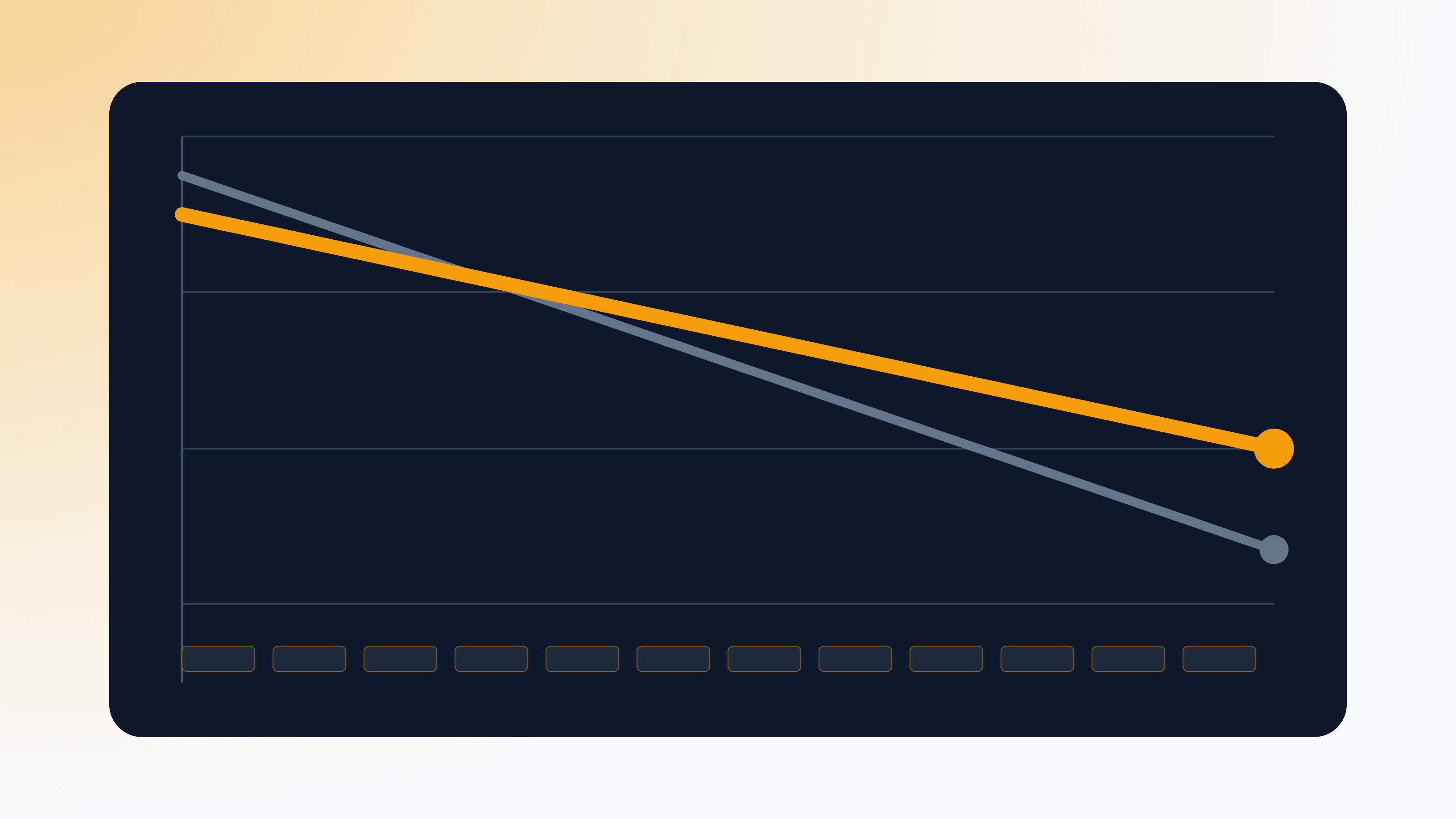
The power warranty is the same on both: 98% of rated power in year one, then 0.25% annual degradation, leaving at least 92% in year 25. That is slower than the 0.4% a year in many mainstream warranties, so the gap widens over the life of the system. See our degradation and warranties guide for how to read these terms.
Is it worth the premium?
REC panels usually cost more than mainstream N-type panels, and the extra cost only pays back if the better degradation, heat behaviour and labour cover matter to you. A rough way to think about it: the difference between 92% at year 25 and roughly 89% under a 1%-then-0.4%-a-year warranty such as Jinko's is a few percent of annual generation, which is real but modest next to the price of scaffolding, inverter and labour. Where REC makes most sense is a homeowner planning to stay long term, who wants labour-inclusive cover and has an installer who can offer ProTrust. If you want the lowest cost per kWp, a mainstream panel such as in our Jinko review or Trina review will be cheaper; for the highest efficiency, see the LONGi review.
Whatever the panel, to be paid under the Smart Export Guarantee your system must be MCS-certified, and that covers the specific panel model, so ask your installer to confirm it. Our MCS certificate guide explains the process, and best solar installers UK will help you shortlist.
Our verdict
The REC Alpha Pure-R is a well-specified premium panel: up to 22.3% efficiency, a −0.24%/°C temperature coefficient, and a 0.25% a year degradation guarantee. Its biggest selling point is the ProTrust warranty with 25 years of labour cover, but only through an REC Certified Professional. Check the wattage class on your quote, confirm the MCS listing and ask for ProTrust registration. For the wider field, see best solar panels UK and solar panel manufacturers in the UK.
FAQs
Is the REC Alpha Pure-R a good solar panel?
What warranty does the REC Alpha Pure-R have?
How efficient is the REC Alpha Pure-R?
How much power will REC Alpha Pure-R panels produce after 25 years?
Where are REC Alpha Pure-R panels made?
Sources — verified 7 November 2026
- REC Group, “REC Alpha Pure-R datasheet, 400-430W (PM-DS-12-06-REV-/D IEC EN 5.2025)” — www.recgroup.com
- Jinko Solar, “Limited Warranty, Rev. SEU20220125-LINEAR for Europe (via Midsummer Wholesale)” — midsummerwholesale.co.uk

About the author
Sepehr
Solar specialist & co-founder, Smart Solar Homes
Solar specialist and co-founder of Smart Solar Homes, which works with MCS-certified UK installer partners. I write all the guides and reviews here; the aim is straight-talking education the industry rarely provides.
Citing this page? Please use a dofollow link back to the original article — it helps us keep the data on this page accurate and up to date.
Browse Solar Panels on Smart Solar Homes


Want to compare these side by side? Use the compare tool →
Or browse all Solar Panels on Smart Solar Homes.
Related reading
More on solar panels from the editorial team.


Find installers near you
MCS-certified solar installers covering these areas.